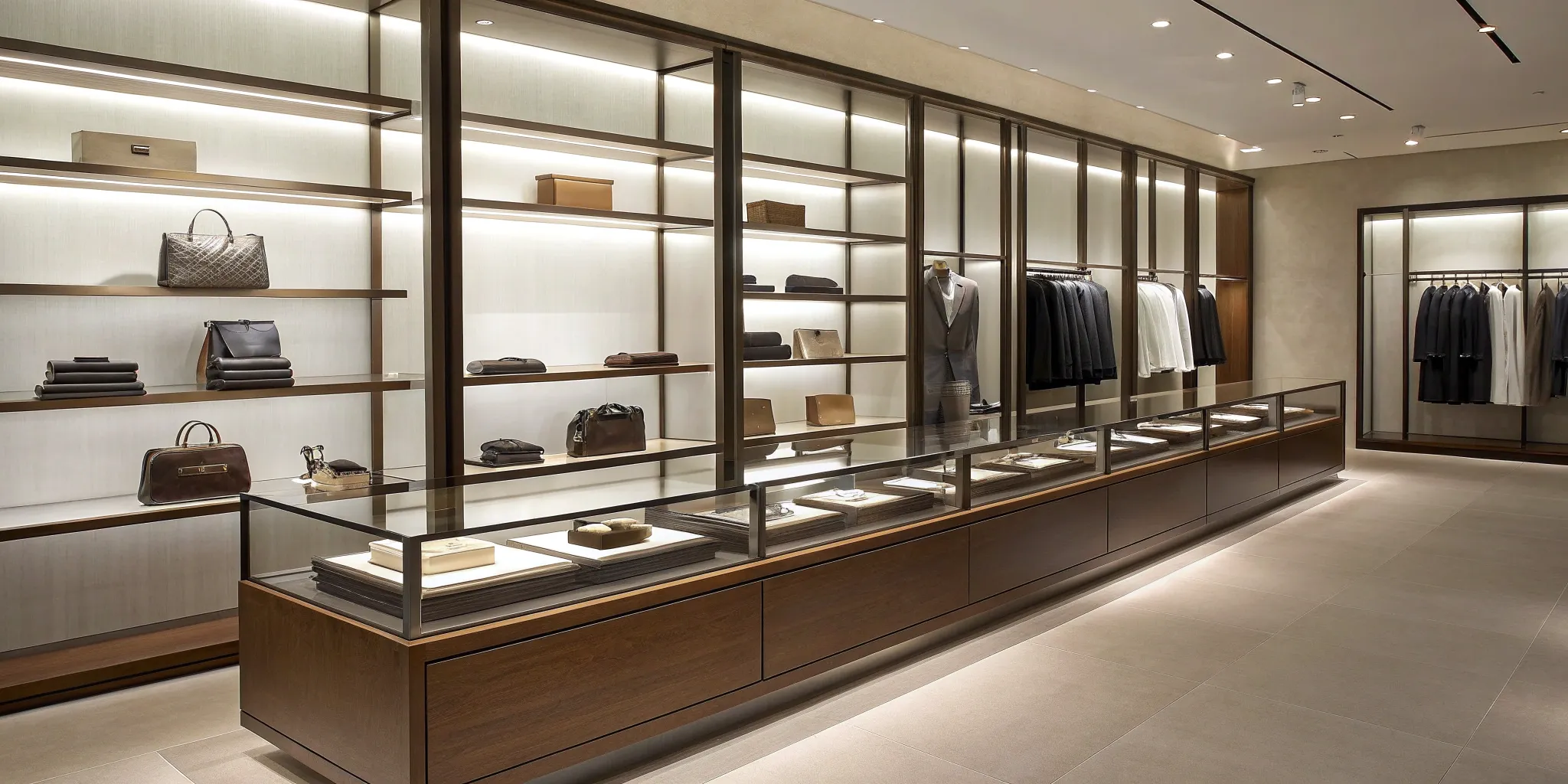


In a world filled with endless online options, your physical store is where your brand truly comes alive. Every element, from the lighting to the layout, tells a story—and your fixtures are the main characters. They are the tangible expression of your brand's identity, setting the tone for the entire shopping experience. Generic, off-the-shelf solutions can make your space feel forgettable, but custom fixtures create a unique and memorable environment that sets you apart. Making the right selection is key to building that connection with your customers. Here, we’ll explore how to choose the right store fixtures that not only showcase your products but also authentically reflect your brand’s unique personality.
Let's start with the basics. Store fixtures are essentially all the equipment and furniture used to display merchandise in a retail store. Think of them as the silent salespeople of your space. They include everything from shelving units and display cases to racks and checkout counters. But they’re so much more than just functional hardware; fixtures are the backbone of your store's layout, aesthetic, and overall shopping experience. They guide customers through your space, make your products look irresistible, and ultimately, help turn browsers into buyers.
When chosen thoughtfully, the right fixtures bring your brand to life. They create a cohesive environment that tells your story and makes customers feel welcome. On the other hand, poorly chosen or outdated fixtures can make a store feel cluttered, confusing, and unappealing, which can directly impact your sales and brand perception. That's why understanding what we do with fixtures is so critical—it’s about creating a strategic retail environment that works hard for your business, ensuring every square foot is optimized to engage customers and showcase your products effectively.
Once you start looking, you'll see fixtures everywhere, and they come in all shapes and sizes. Some of the most common types you’ll find are gondola shelving—those freestanding, double-sided shelves that create aisles in many stores. You’ll also see freestanding display units (FSDUs), which are perfect for highlighting new arrivals or special promotions. For more valuable items like jewelry or electronics, display cases offer security while adding a premium feel. Other staples include wall-mounted shelving, nesting tables for tiered displays, and custom cash wraps that serve as a final, branded touchpoint. Each type serves a different purpose in your visual merchandising strategy.
Your fixtures are the canvas for your visual merchandising. They are the tools you use to create compelling product stories that attract customers and drive sales. Think about it: an ineffective display can leave shoppers feeling confused or uninspired, potentially harming your brand image. The right fixtures, however, guide the customer’s eye, organize products logically, and create focal points that draw people in. By using a strategic mix of shelving, tables, and custom displays, you can build a visual journey that highlights key products and encourages exploration. Take a look at how different brands use fixtures in our work to see these principles in action.
Beyond just looking good, fixtures play a huge role in shaping the overall customer experience. They define the flow of your store, making it either easy and intuitive or frustrating to get around. Successful retail brands create an engaging in-store atmosphere, and your choice of fixtures is a massive part of that. They can create intimate nooks for discovery or open, airy pathways for easy browsing. Modern fixtures can also integrate technology, creating seamless omnichannel experiences with features like click-and-collect points or interactive screens. This thoughtful design and engineering ensures the physical space supports and enhances the entire customer journey.
Choosing the right store fixtures is one of the most critical decisions you'll make for your retail space. It goes far beyond simply finding a place to put your products. The right fixtures act as the silent salesforce of your store—they guide customers, highlight merchandise, and bring your brand’s story to life. A strategic approach to fixture selection can directly influence customer behavior, improve the shopping experience, and ultimately, drive sales.
Think of your fixtures as the foundation of your visual merchandising strategy. They create structure, define pathways, and set the overall tone of your environment. Whether you're launching a new location or refreshing an existing one, the process requires careful thought about your space, products, customers, and brand identity. By breaking down the decision-making process into clear, actionable steps, you can ensure your investment results in a functional, beautiful, and profitable retail environment. Let's walk through the key factors to consider to make sure you get it right.
Before you even think about specific fixture styles, start with your floor plan. A clear understanding of your store’s layout is essential for creating a space that is both inviting and easy for customers to move through. Grab your blueprints or sketch out the dimensions of your retail area, noting the location of entrances, exits, windows, and any structural elements like columns.
Think about how you want customers to move through the store and where you want their eyes to land. Identify your prime real estate—the high-traffic zones where you can place your most important displays. A well-planned layout prevents bottlenecks and ensures every square foot is working for you. This foundational step is where a strong design and engineering partner can help translate your vision into a practical, effective plan that maximizes both space and sales potential.
Your products should be the hero of your store, and your fixtures are the supporting cast. The type of merchandise you sell will heavily dictate the kind of fixtures you need. Consider the size, shape, and weight of your items. Small, delicate jewelry, for instance, requires secure glass display cases, while heavy-duty hardware needs strong, durable shelving that can handle the load.
Make a list of your product categories and think about how they are best presented. Apparel requires a mix of hanging racks, nesting tables, and shelving. Beauty products benefit from well-lit counters with built-in mirrors and tester displays. The goal is to select fixtures that not only hold your products but also make them look their best. Looking at examples of past projects can provide inspiration for displaying a wide range of merchandise effectively.
The placement of your fixtures has a major impact on how customers experience your store. Most shoppers naturally follow a path upon entering a store, often turning to the right first. You can use your fixtures to strategically guide them on a journey, leading them past key products and promotions along the way. Create clear aisles that are wide enough for comfortable movement, even during busy periods.
Use different fixture heights to create visual interest and draw attention to specific areas. Low-profile tables can create an open feel at the front of the store, while taller shelving units can define different departments or product zones. By controlling the customer flow, you can create an intuitive shopping experience that encourages browsing and discovery, making it more likely that shoppers will find exactly what they’re looking for—and maybe a few things they weren’t.
Your fixtures are a powerful physical expression of your brand. They should work in harmony with your store’s overall aesthetic to create a cohesive and memorable experience. The materials, colors, and design of your fixtures should reflect your brand’s personality. A brand focused on sustainability might use reclaimed wood and natural materials, while a minimalist, high-tech brand would likely lean toward sleek metal, glass, and acrylic.
This consistency is key to building brand recognition and trust. When every element in your store tells the same story, it creates a stronger connection with your customers. This is where custom fixtures truly shine, as they can be designed and built to perfectly match your unique brand identity, ensuring your retail environment is a true reflection of who you are.
Finally, you need to establish a clear and realistic budget. Your budget will influence the materials, complexity, and quantity of fixtures you can purchase. It’s helpful to think of this as an investment rather than just an expense. High-quality, durable fixtures may cost more upfront but will save you money in the long run by reducing the need for repairs and replacements.
When planning your budget, be sure to account for all associated costs, including design, manufacturing, shipping, and installation. While off-the-shelf options might seem cheaper, custom-made fixtures are tailored to your exact product and space needs, which can lead to a better return on investment. Working with a partner who offers transparent project management can help you stay on budget and on schedule, avoiding costly surprises down the line.
The materials you choose for your fixtures do more than just support your products—they define your store’s atmosphere and influence your long-term budget. Selecting the right materials is a balancing act between aesthetics, function, and cost. High-quality materials create a premium feel and withstand daily wear and tear, while the wrong choice can lead to premature damage and frequent replacements. Thinking about durability from the start ensures your investment pays off for years to come.
Your store fixtures are a long-term investment, so durability should be a top priority. Well-built fixtures reduce the need for frequent replacements, lower maintenance costs, and help maintain your store’s aesthetic appeal over time. Investing in sturdy materials like solid wood, industrial metal, or high-grade laminates prevents chipping, scratching, and other visible damage from constant customer interaction. A focus on complete quality control during the manufacturing process ensures that every joint is secure and every surface is finished to last, protecting both your products and your brand image.
The materials you select should reflect your brand identity and complement the products you sell. For example, a glass case is perfect for showcasing small, expensive items like jewelry, while warm, natural wood can create an inviting atmosphere for a clothing boutique. The options are endless, from sleek and modern metals to rustic reclaimed woods and versatile acrylics. Exploring different materials and finishes allows you to create a unique shopping experience. Looking at a portfolio of past work can give you a better idea of how different materials look in a real-world retail setting.
Before you fall in love with a design, you need to consider what it will hold. Excess weight on shelves and racks can cause them to sag, warp, or even break, creating a safety hazard and damaging your merchandise. Be sure to calculate the total weight of the products you plan to display on each fixture. This is especially important for shelving units holding heavy items like books, ceramics, or hardware. Proper design and engineering are critical to ensure your fixtures can handle the load safely and maintain their structural integrity over time.
Your fixtures need to look great on day one and day one thousand. When selecting materials, think about the cleaning and upkeep they will require. High-gloss surfaces may show fingerprints easily, while certain woods might need occasional polishing. Choose materials that align with the level of maintenance your staff can realistically provide. Durable, easy-to-clean fixtures help your store look fresh and inviting, making a positive impression on every customer who walks through the door. Planning for maintenance from the start helps you protect your investment and keep your space looking its best.
Integrating technology into your store fixtures might sound like a futuristic, high-budget project, but it’s becoming an accessible and powerful way to connect with customers. Smart fixtures do more than just hold products; they create a dynamic, responsive, and informative shopping environment. Think of them as an extension of your sales team, working around the clock to engage shoppers and gather valuable insights. From interactive screens that let customers explore product features to digital signage that showcases your latest promotions, technology can transform a passive browsing experience into an active one.
The goal isn’t to add tech for tech’s sake. It’s about solving real-world retail challenges. Smart fixtures can help you tell your brand story more effectively, guide customers through their purchasing decisions, and streamline your own operations. By building technology directly into your displays, you create a seamless experience that feels both modern and intuitive. As you plan your next rollout, consider how these tools can help you create a more compelling and efficient retail space. It’s a strategic move that can improve customer satisfaction and provide a clear return on your investment.
The old retail saying holds true: the more a customer interacts with a product, the more likely they are to buy it. Interactive displays are designed to make this happen. These fixtures invite shoppers to touch, test, and experience products firsthand. For example, beauty brands use custom counters where customers can try on makeup, while electronics stores create hands-on demo stations for the latest gadgets. Your fixtures should be built to encourage this kind of engagement. By designing displays that make products accessible and easy to explore, you can break down barriers to purchase and give customers the confidence they need to make a decision.
Static posters and printed signs are quickly being replaced by more dynamic solutions. Digital signage allows you to display vibrant, eye-catching content that you can update in an instant. You can use screens to run promotional videos, share customer testimonials, or display real-time inventory information. Some retailers are even using RFID-enabled shelves that trigger specific content on a nearby screen when a product is picked up. This not only enhances the shopping experience with relevant information but also helps streamline your store operations. When you design and engineer your fixtures, planning for integrated digital signage can make your displays far more effective.
What if your fixtures could tell you which products are most popular or where customers spend the most time in your store? Fixtures that collect data can do just that. By using sensors, these smart displays can gather anonymous information about shopper behavior, giving you powerful insights to optimize your layout and merchandising strategy. This data helps you understand what’s working and what isn’t, so you can make informed decisions about product placement and inventory. Ultimately, this allows you to create a more intuitive and personalized shopping experience that meets your customers’ needs.
Store fixtures are a significant investment, so you want to make sure they stay relevant for years to come. Building with technology in mind is one of the best ways to future-proof your displays. This doesn’t mean you have to install every smart feature on day one. Instead, you can opt for modular and flexible designs that can be easily updated later. For example, you might choose fixtures with built-in power access or designs that can accommodate a screen in the future. By planning ahead, you ensure your fixtures can adapt to evolving retail trends and new technologies, protecting your investment and keeping your stores looking current.
Choosing the right fixtures goes far beyond aesthetics. While you want your displays to look great, they also have to be practical, safe, and compliant with legal standards. Getting these technical details right is essential for protecting your customers and staff, avoiding potential fines, and ensuring your retail environment is welcoming to everyone. A well-designed fixture is one that functions flawlessly within your space, supports your products securely, and allows for easy access.
When you partner with an experienced manufacturer, these considerations are built into the process from the start. A team of experts can guide you through the specifics of sizing, installation, weight capacities, and accessibility requirements, ensuring your final fixtures are not only beautiful but also perfectly engineered for your needs. This comprehensive approach, from design and engineering to final installation, removes the guesswork and helps you create a safe, functional, and successful retail space. Think of these standards not as limitations, but as the foundation for a thoughtful and effective store design.
The physical dimensions of your fixtures are one of the first technical details to sort out. It’s about more than just making sure a display fits through the door; it’s about how it works with your overall store layout and customer flow. For instance, a smaller boutique will benefit from fixtures that are compact and easy to move, maximizing limited space. A larger store has more room to play with, but fixtures that are too small can get lost, while those that are too large can create an intimidating or cluttered environment.
Your fixture dimensions should complement your space, not compete with it. Consider aisle width, ceiling height, and the relationship between different display units. The goal is to create a balanced environment that feels open and is easy for customers to explore.
Once your fixtures are designed and built, they need to be installed correctly. This step is critical for both safety and functionality, especially for complex or custom-built units. Before you finalize your order, make sure you have a clear understanding of what the installation process involves. Will the fixtures arrive fully assembled or flat-packed? Do they require specialized tools or professional expertise to put together?
For large-scale rollouts across multiple locations, having a detailed plan is essential. Clear communication between your team, your fixture supplier, and any installers is key to a smooth process. Working with a partner that offers dedicated project management and customer service can make all the difference, ensuring every fixture is installed correctly, on time, and with minimal disruption to your business.
The safety of your customers and employees is non-negotiable. Your store fixtures must be stable, durable, and capable of handling the weight of your merchandise without risk. Placing too much weight on a shelf or rack can cause it to sag, warp, or even break, creating a serious hazard. Always adhere to the specified weight capacities for each fixture.
Proper installation is also a huge part of safety. Fixtures that are not correctly assembled or secured can become unstable and tip over. This is why investing in high-quality materials and construction is so important. A reliable manufacturer will conduct complete quality control checks to ensure every component is built to last and meets rigorous safety standards, giving you peace of mind that your displays are secure.
Creating an inclusive shopping experience means ensuring your store is accessible to everyone, including customers with disabilities. The Americans with Disabilities Act (ADA) sets out specific guidelines for public spaces, and your store fixtures play a big role in compliance. This includes things like maintaining adequate aisle width for wheelchair access and ensuring displays are at a height that can be reached by all customers.
Designing with ADA requirements in mind from the beginning is not just a legal obligation—it’s a smart business decision. An accessible store is a welcoming store, which can broaden your customer base and improve the overall shopping experience. A knowledgeable fixture partner will be well-versed in these standards and can help you design a layout and displays that are fully compliant and accessible to all.
Choosing the right fixtures isn't just about function; it's about creating an environment that resonates with your customers and reflects your brand. Staying current with design trends can help you build a store that feels fresh, inviting, and efficient. These trends often emerge from shifts in consumer behavior and technology, and they can give you a real edge in creating a memorable shopping experience. From adaptable layouts that can change with your inventory to custom pieces that tell your brand’s story, the right design choices make your physical space work harder for you. Let’s look at a few key trends that are shaping modern retail environments.
Retail is always changing, with new products and seasonal promotions requiring a fresh approach. Modular fixtures give you the agility to adapt without a complete overhaul. Think of them as building blocks for your store—versatile, movable, and reconfigurable pieces that can be rearranged to create new layouts on the fly. With reusable frames and easy-to-build components, you can create reworkable spaces that adapt to your changing needs. This approach is perfect for featuring seasonal collections, creating pop-up displays, or simply refreshing your store’s look. It’s a smart, cost-effective way to keep your environment dynamic and engaging for repeat customers.
Today’s shoppers are more conscious than ever about the environmental impact of their purchases, and that extends to the stores they shop in. Incorporating sustainable materials into your fixture design shows a commitment to values your customers share. Materials like reclaimed wood, bamboo, recycled metals, and low-VOC finishes are excellent choices that are both durable and eco-friendly. Using these materials doesn't mean you have to sacrifice style. In fact, they often add a unique texture and warmth to a space. Highlighting your use of sustainable fixtures can be a powerful part of your brand story and helps you connect with an audience that values corporate responsibility.
Your fixtures should do more than just hold merchandise; they should communicate your brand’s identity. Customization is where you can truly let your brand shine. Creative use of custom millwork and fixtures allows you to show off your message, personality, and values throughout your store. Whether it’s a uniquely shaped display that echoes your logo or a specific color palette that reinforces your brand identity, custom pieces create a cohesive and memorable experience. This level of detail makes your store instantly recognizable and sets you apart from competitors who rely on generic, off-the-shelf solutions. It turns your retail space into a true brand destination.
Lighting can completely transform the look and feel of your store, and modern fixtures are making it easier than ever to get it right. Integrated lighting solutions build illumination directly into your displays, shelving, and signage. This approach does more than just brighten up a space; it strategically highlights products, guides customers through the store, and creates focal points that draw the eye. Well-lit displays make products look more appealing and can significantly influence purchasing decisions. By making lighting an integral part of your fixture design, you can create a bright, welcoming atmosphere that enhances both the aesthetics and functionality of your retail environment.
Choosing your fixtures is only half the battle; finding the right manufacturing partner is what truly sets your project up for success. This isn't just about placing an order—it's about building a relationship with a team that can guide you from concept to installation. A great partner acts as an extension of your own team, bringing industry expertise to the table to solve problems, manage timelines, and ensure your vision is executed flawlessly across all your locations. They should handle the complexities of the entire process, including project management and customer service, so you can focus on running your business. When you vet potential partners, look for a team that is as invested in your retail environment's success as you are.
The design phase should be a highly collaborative process. Your manufacturer should start by asking detailed questions about your store's layout, brand goals, and how you want customers to move through the space. A well-thought-out design will enhance product visibility and improve the overall shopping experience. Be prepared to share your vision, but also be open to their expert suggestions. A skilled partner will offer design, engineering, and prototyping services to refine your ideas, ensuring the final fixtures are not only visually appealing but also practical, durable, and manufacturable within your budget. This initial stage is critical for translating your brand identity into a tangible, functional reality.
One of the most frequent problems with custom retail fixtures is poor material durability. That's why a manufacturer's commitment to quality control is non-negotiable. A partner with robust quality control processes ensures your fixtures can withstand the daily wear and tear of a busy retail environment, saving you from costly repairs and replacements down the line. Ask potential manufacturers about their QC checks at every stage, from sourcing raw materials to final inspections before shipping. This diligence protects your investment and ensures consistency, which is especially important when you’re outfitting multiple stores and need every location to look and feel the same.
Even the most beautifully crafted fixtures can fall short if they aren't installed correctly. Proper installation is crucial for both safety and longevity. Before you commit to a partner, ask what kind of installation support they provide. Do they have their own crews, or do they work with a network of trusted installers? Will they manage the entire process as part of their logistics and distribution services? Getting clarity on this upfront helps you avoid common pitfalls and ensures your fixtures are assembled to the manufacturer's specifications. This is especially critical for complex displays or large-scale rollouts where you need a seamless and efficient setup.
Your fixtures are a significant investment, and a solid warranty is your safety net. Before signing any contracts, make sure you fully understand the warranty offered by your manufacturer. A comprehensive warranty should cover manufacturing defects and issues related to material durability, giving you peace of mind that your investment is protected. Don't be afraid to ask specific questions: What is the warranty period? What does the claims process look like? Who is responsible for costs related to repairs or replacements? A transparent partner will have clear answers and a straightforward warranty that demonstrates confidence in their product quality.
Choosing the right store fixtures is a significant investment, and like any investment, you want the best possible return. It’s about more than just filling your space; it’s about creating an environment that drives sales and builds your brand. Getting it right can transform your customer experience, while a few common missteps can lead to wasted money and missed opportunities. By thinking strategically about your choices, you can avoid these pitfalls and ensure your fixtures work hard for your business for years to come. Let's walk through how to make smart decisions that pay off.
It’s tempting to look at the initial price tag as the most important factor, but the cheapest option is rarely the most cost-effective. Custom fixtures might have a higher upfront cost, but they are designed specifically for your products and brand, which can make your merchandise look more appealing and valuable, ultimately driving more sales. Think of your fixtures as a long-term asset. A well-made, custom display will last longer and perform better than a generic, off-the-shelf solution that might need replacing in just a few years. Investing in quality from the start saves you money on repairs, replacements, and lost sales down the road.
Even the most beautiful fixtures will fail if they’re crammed into a cluttered space. Overcrowded displays make it hard for customers to see and interact with your products, creating a frustrating shopping experience. A well-thought-out store layout guides customers on a natural path through your store, creating clear sightlines to key products and promotions. When planning your space, make sure there’s enough room for customers to move freely. A partner with expertise in design and engineering can help you create a floor plan that optimizes flow and makes your merchandise the star of the show, ensuring every fixture is positioned for maximum impact.
The materials you choose directly impact the longevity and appearance of your fixtures. In a busy retail environment, displays are subject to constant wear and tear from customers and staff. Opting for durable materials reduces the need for frequent replacements and lowers your maintenance costs over time. This helps maintain your store’s polished, professional look. When selecting materials, consider the weight of the products they’ll hold and the level of interaction they’ll receive. High-quality woods, metals, and laminates not only look better but also stand up to the demands of a high-traffic setting, ensuring your investment continues to look great for years.
A successful fixture rollout starts with a realistic and comprehensive budget. Your budget should account for more than just the cost of the fixtures themselves. Remember to factor in expenses for design, prototyping, shipping, and installation to get a true picture of the total investment. Setting a clear budget from the outset helps you make informed decisions and prevents costly surprises later on. Working with a manufacturer that offers transparent project management is key. A good partner will help you understand all the associated costs and manage the process to keep your project on track and within your financial plan.
Once you’ve selected the perfect fixtures, the next step is bringing your vision to life. A thoughtful implementation plan is what separates a chaotic rollout from a seamless one. This is especially true when you’re coordinating installations across multiple locations. A great plan ensures your new fixtures are installed correctly, on time, and with minimal disruption to your business. It also sets the stage for long-term success by outlining how your team will use and maintain the new setup.
Think of this as the final, critical phase of your project. Your plan should cover everything from the installation schedule to staff training and performance monitoring. By mapping out these details ahead of time, you can anticipate challenges, keep everyone on the same page, and make sure your investment pays off from day one. A partner with strong project management experience can be invaluable here, helping you manage all the moving parts and ensure a smooth execution from start to finish.
A detailed timeline is the backbone of your implementation plan. Start by working backward from your desired launch date to set deadlines for each step, including fixture delivery, site preparation, and the installation itself. For multi-store rollouts, clear communication between your team, your fixture provider, and your installers is essential.
Make sure everyone understands their roles and responsibilities. Regular check-ins can help you stay ahead of potential delays. Hiring an experienced installation team or working with a provider that manages logistics and distribution will ensure your fixtures arrive safely and are assembled according to specifications. This prevents last-minute headaches and keeps your project on track.
Your store associates are key to making your new fixtures effective. Before the installation, take the time to train your team on the purpose behind the new layout and displays. Explain how the fixtures are designed to improve the customer experience and highlight products.
Provide clear guidelines on visual merchandising standards, including how to stock shelves, arrange displays, and maintain the intended aesthetic. When your staff understands the strategy, they can execute it consistently and effectively. This ensures every customer gets the same great brand experience, no matter which location they visit. This small step can make a huge difference in how well your new fixtures perform.
To protect your investment and keep your store looking its best, create a simple but consistent maintenance schedule. High-quality fixtures are built for durability, but daily wear and tear is inevitable. A proactive approach to care can extend the life of your displays and prevent small issues from turning into costly repairs.
Your schedule should include routine tasks like cleaning surfaces, checking for loose parts, and inspecting for any damage. Assign these responsibilities to your staff and provide them with the right cleaning supplies. Choosing the right materials during the design and engineering phase can also simplify long-term upkeep, saving you time and money down the road.
Your work isn’t over once the fixtures are installed. The final step is to monitor how they perform. Pay close attention to sales data and customer behavior to see what’s working and what isn’t. Are certain displays driving more sales? Has the new layout improved traffic flow?
Don’t be afraid to make adjustments. If a particular display isn’t performing as expected, try moving it to a different location or changing the product assortment. Use customer feedback and sales metrics to fine-tune your strategy over time. This data-driven approach will help you continuously optimize your retail environment and maximize the return on your fixture investment.
What's the real difference between custom and off-the-shelf fixtures? Think of it like a tailored suit versus one bought off the rack. Off-the-shelf fixtures are generic and designed to fit a wide range of needs, but they might not perfectly suit your products, space, or brand identity. Custom fixtures are designed and built specifically for you. This means they not only fit your floor plan perfectly but also reinforce your brand's unique story and make your specific products look their absolute best, which can have a direct impact on sales.
How long does the process of getting custom fixtures usually take? The timeline can vary quite a bit depending on the complexity of the design, the materials you choose, and the number of locations in your rollout. A simple project might take a few weeks, while a large-scale, multi-store rollout will naturally take longer. A good manufacturing partner will work with you to create a detailed project schedule from the start, covering everything from design and prototyping to manufacturing and final installation, so you always know what to expect.
My budget is limited. How can I make a smart investment without overspending? It's wise to focus on long-term value rather than just the initial price tag. Cheaper, lower-quality fixtures often need to be repaired or replaced sooner, costing you more in the long run. A smart investment involves choosing durable materials and a timeless design that will last. Working with an experienced partner can also help you stay on budget by planning for all costs—including shipping and installation—upfront, preventing any expensive surprises down the line.
How do I ensure the fixtures will be durable enough for my high-traffic stores? Durability starts with choosing the right materials for the job and ensuring the fixtures are engineered to handle the weight of your products. It's about more than just picking a sturdy-looking wood or metal. A reliable manufacturer will have a rigorous quality control process to ensure every piece is built to withstand the daily wear and tear of a busy retail environment. Don't hesitate to ask about their quality checks and the materials they recommend for high-traffic settings.
What's the first step if I'm considering new fixtures for a multi-store rollout? The best first step is to clearly define your goals. Before you even think about specific designs, get a solid understanding of your store layouts, your product display needs, and the customer experience you want to create. Once you have a clear vision, you can find a manufacturing partner who can help you translate that vision into a practical, scalable plan that works for all your locations.
Subscribe for expert insights on fixture design, materials, and modern retail environments.